

Technical guide to streaming-ready mastering
Short practical articles about LUFS, True Peak, LRA, dynamics, vocals in the mix and audio quality control. No myths, with direct production and mastering decisions.
How to check whether the voice is clear, stable and truly seated in the mix, not merely louder than the backing track.

How to set LUFS for streaming: -14 myth, True Peak and dynamics | Aumixys
An expanded LUFS guide covering Integrated, Short-Term, Momentary, LRA, True Peak and Spotify normalization. Learn when -14 LUFS makes sense and when genre and listening matter more.
Read article ->
What is True Peak? Inter-sample peaks, limiter ceiling and codec clipping | Aumixys
An expanded guide to True Peak: Sample Peak, inter-sample peaks, limiter ceiling, oversampling and clipping after transcoding. Learn when -1 dBTP is enough and when -2 dBTP is safer.
Read article ->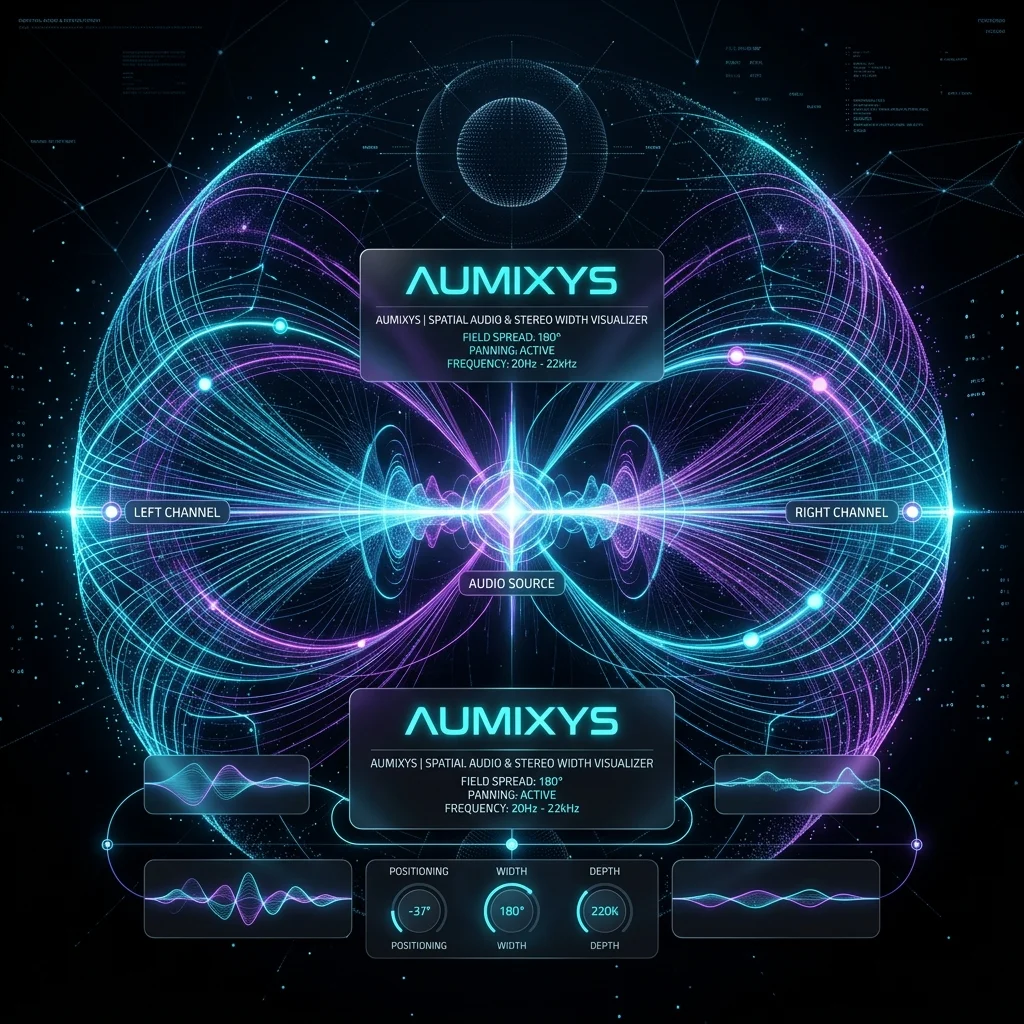
Stereo width, Mid/Side, and mono compatibility issues | Aumixys
Learn how to control phase correlation, use Mid/Side technique in mastering, and make your mix sound great in both stereo and mono on smartphones.
Read article ->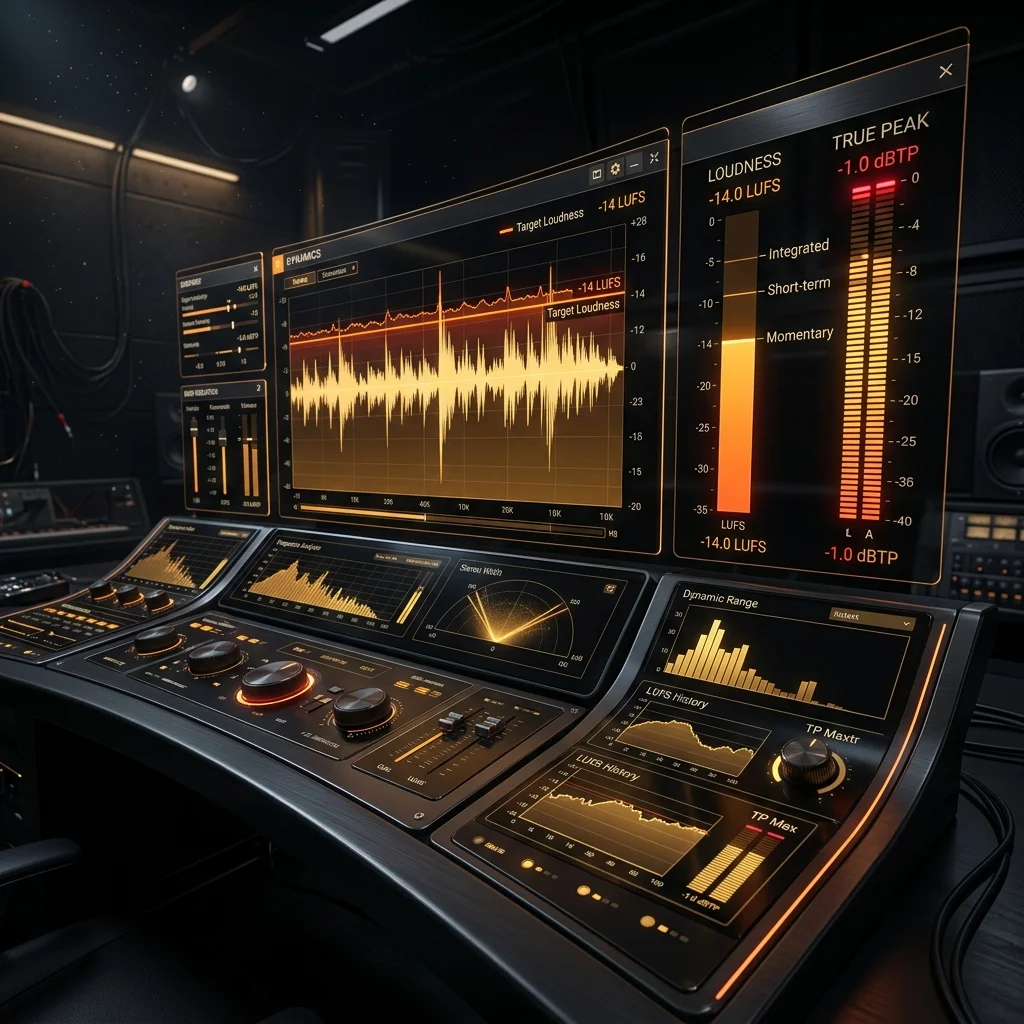
How to prepare mastering for streaming (Spotify, Apple Music) in 2026?
Debunking the "-14 LUFS" myth. How do loudness normalization algorithms really work, and why might a quiet track sound worse on Spotify than a loud one?
Read article ->
How to properly mix kick and bass? | Aumixys
Fix your muddy low end. Tips on frequency masking, sidechaining, and phase issues between kick and bass.
Read article ->
Ear fatigue and analysis paralysis: How to stop tweaking your mix?
Learn why you lose objectivity with every hour in the studio. Discover strategies to fight ear fatigue and finish tracks with the help of hard QC data.
Read article ->
The "Muddy Mix": What it is and how to clean it up
Learn what muddy low-mids are and why overlapping instruments ruin your track. Discover practical ways to clear up the mud and regain mix separation.
Read article ->
Air in mixing and mastering: how to add shine without harshness
Learn what "air" really means in the high-frequency range, how to separate airy top-end from sibilance, and how to add shine without listener fatigue.
Read article ->
How to tell if a vocal sits in the mix: center, masking and sibilance | Aumixys
A practical guide to seating vocals in a mix. Check body-to-presence balance, masking risk, sibilance, level stability and the vocal position in the stereo center.
Read article ->